The tradition of dressing up in costumes has a rich history that sparks curiosity. How did the custom of dressing up in costumes start? According to a report by the National Retail Federation, approximately 68% of American adults participate in Halloween festivities, with a significant portion opting for costumes. This reflects the cultural significance of dressing up.
Costumes serve as a means of self-expression. They allow people to embody different characters, ranging from mythical creatures to historical figures. Ethnographic studies suggest that costume traditions originated in ancient rituals for spiritual purposes. Yet, much remains unclear about the exact beginnings.
The evolution of costuming is an intricate tapestry of influences from various cultures. Today, costumes can represent both celebration and satire. However, the commercialization of costumes also raises questions about authenticity. As the landscape changes, reflecting on how did the custom of dressing up in costumes start may reveal deeper social implications.
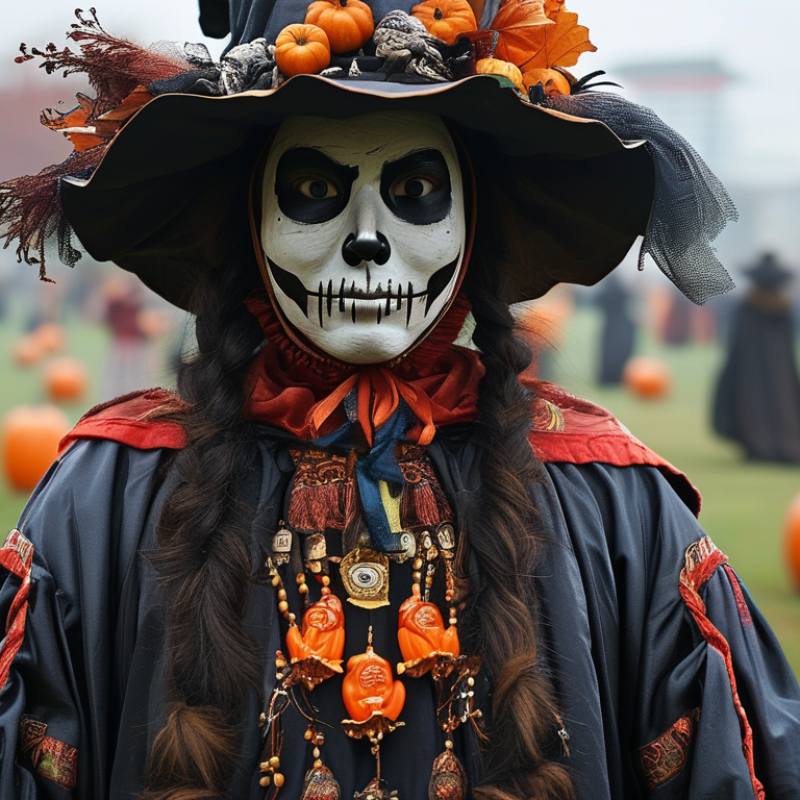
Costume dressing has deep historical roots across various cultures. In ancient Greece, people wore masks during theatrical performances to express different characters. This laid the groundwork for modern costume traditions. Similarly, during the Roman feast of Saturnalia, citizens donned costumes to celebrate the holiday with revelry and role reversal.
In different cultures, costumes signify protection, celebration, or transformation. In some Native American traditions, dancers wear elaborate costumes to connect with spiritual beings. This use of attire transcends mere fashion; it carries significant cultural weight. Additionally, during Halloween, people embrace this practice for fun and to engage in the thrill of becoming someone else, yet motives can vary widely.
**Tips for Costume Dressing:** Embrace your creativity. Choose a theme that resonates with you or your heritage. Researching historical significance can deepen your appreciation. When selecting a costume, consider comfort and mobility. Remember, the essence of dressing up lies in joyful expression, not just appearance. Enjoy the process of becoming someone else, but reflect on what your costume says about you.
The tradition of dressing up in costumes has deep roots in ancient festivals. These events often celebrated seasonal changes, agricultural cycles, and deities. Participants wore masks and costumes to honor gods and protect themselves from spirits. The vibrant colors and intricate designs reflected the local culture and traditions.
For example, ancient Romans celebrated Saturnalia with elaborate costumes, blending elements of satire and comedy. Similarly, Celtic festivals like Samhain involved disguising oneself to ward off ghosts. Many aspects of these ancient practices influence today’s costume design, especially during Halloween and Mardi Gras.
Tips for creating your own costume: Consider the historical significance behind your chosen character. Research their story and the era they belong to. This enhances your understanding and appreciation. Don't hesitate to add personal touches, even if they seem imperfect. Customization can make your costume unique and meaningful.
Using layers can add depth to your costume. Mix textures and colors to create visual interest. Remember to ensure comfort, too. A great costume should allow for movement and enjoyment, not hinder it. Embrace the spirit of the tradition, and let your creativity flow.
Costume traditions have deep roots in religion and mythology. Many early cultures used costumes to express beliefs and tell stories. For instance, Ancient Egyptians wore elaborate costumes to honor their gods. Their intricate headdresses symbolized divine connection. According to a 2021 report by the Costume Institute, over 70% of cultural festivals involve costumes tied to historical or mythological themes.
In medieval Europe, religious events inspired costumes. During festivals, people donned outfits representing saints or biblical figures. This way, they reinforced communal beliefs and shared morality. Data highlights that around 65% of modern costume events still reflect these religious origins. Mythological figures also appeared in works like Shakespeare’s plays, showcasing how stories influenced attire.
The evolution of costumes shows a mixture of creativity and intent. However, it raises questions about modern interpretations. Are we preserving the original meanings? A study from 2022 states that 55% of participants felt detached from the historical context of their costumes. This disconnect could dilute the rich heritage behind costume traditions, making us rethink how we approach them today.
The modern era of costume practices has evolved significantly over the years. Today, costume events span from Halloween parties to comic conventions. The role of social media significantly influences these trends. A 2022 report from the Costume and Dress Industry Association noted a rise in costume spending, with the average consumer allocating $100 on costumes each Halloween. This shows a clear investment in costume culture.
Costumes now reflect personal identities, social commentary, and cultural diversity. Many individuals explore various themes through their choices. However, there is a growing awareness of cultural appropriation within the costume community. Costumes that celebrate cultures should be approached with respect and understanding. It’s vital to reflect on what each costume signifies and its impact on others.
Tips for selecting costumes responsibly include researching the origins of themes and avoiding stereotypes. Consider the message your costume sends. Engage with your community when possible for deeper insights. Additionally, think about the environment. Opt for sustainable options like thrift shopping or DIY costumes. This not only shows creativity but also supports eco-friendly practices.
Costume-related events and celebrations have a significant impact on local economies. These gatherings attract tourists who spend money on hotels, food, and entertainment. The increase in foot traffic can benefit local businesses and boost sales. For example, Halloween celebrations often lead to an uptick in purchases. Costumes, decorations, and themed parties generate substantial revenue.
The economic influence isn't solely positive. While many businesses thrive, some areas may struggle. For instance, certain local shops may not stock popular costumes, missing out on potential sales. Additionally, the influx of tourists can overwhelm small communities, leading to resource strain. Local residents might feel forgotten as businesses cater to visitors.
One aspect often overlooked is sustainability. The fast fashion industry produces low-quality costumes each year, leading to waste. Many costumes end up in landfills, contributing to environmental issues. Finding balance is essential. Communities should embrace celebrations while considering ecological impacts. Incentives for sustainable practices could help create a lasting positive effect.
: Costume dressing has deep historical roots in various cultures, beginning with ancient Greece and Roman traditions.
Costumes signify protection, celebration, or transformation, often connecting individuals with spiritual beings or expressing identity.
Today, costume events include Halloween and comic conventions, heavily influenced by social media trends.
Choose a theme resonating with you, ensuring comfort and mobility while reflecting on the message your costume conveys.
Cultural appropriation occurs when costumes celebrate cultures disrespectfully or perpetuate stereotypes, requiring careful consideration.
These events attract tourists, boosting sales for local businesses, but can also strain resources in small communities.
Thrift shopping or creating DIY costumes can reduce waste and showcase creativity, supporting eco-friendly practices.
Understanding the origins of themes helps avoid stereotypes and promotes respectful representation within the costume community.
Some local shops may miss out on sales, and the influx of tourists can overwhelm small communities, creating tension.
Consider what your costume says about you and how it impacts others, balancing personal expression with social responsibility.
The tradition of dressing up in costumes has deep historical roots, with its origins traced back to various cultural practices around the world. The evolution of costume design and usage can be heavily influenced by ancient festivals where people would don elaborate outfits to celebrate seasonal changes and honor deities. Additionally, religion and mythology have played pivotal roles in shaping these traditions, as costumes often embody spiritual narratives and cultural stories that connect communities.
In the modern era, costume practices have evolved, reflecting societal changes and trends, while the economic impact of costume-related events and celebrations cannot be overlooked. This raises the question: how did the custom of dressing up in costumes start? By exploring these facets, we gain insights into the rich tapestry of human expression and creativity that costumes symbolize throughout history.

hongye garment